| Year | January 1916 |
| Weapon Type | Infantry Rifle |
| Origin & Designer | [@designer] |
| Numbers Produced | 3.000.000+ |
| Crew | [@crew] |
| Calibre | .303 (7.7x56) |
| Elevation | [@elevation] |
| Traverse | [@gun_traverse] |
| Cartridge Weight | [@cartridge_weight] |
| Round Weight | 175gr (11.3g) |
| Barrel Length | 640mm |
| Overall Length | 1.132mm |
| Grenade Types | [@grenade_types] |
| Mount | [@mount] |
| Combat Weight | 3.96 kg |
| Operation | Bolt-Action |
| Cooling System | [@cooling] |
| Sights | Front Blade & Folding Aperture Rear |
| Feed | 10 Round Magazine fed by 5 Round Clips |
| Practical Rate of Fire | 18 r.p.m. |
| Maximum Rate of Fire | 30 r.p.m. |
| Blank Cartridge | [@blank_cartridge] |
| Muzzle Velocity | 751 m/s |
| Fuel Capacity | [@fuel_capacity] |
| Minimum Range | [@minimum_range] |
| Effective Range | 500m |
| Maximum Range | 2.500m |
| Armour Penetration | [@armour_penetration] |
| Bayonet | Patten 1907 Knife Bayonet |
| Traction | [@traction] |
| Variants | [@variants] |
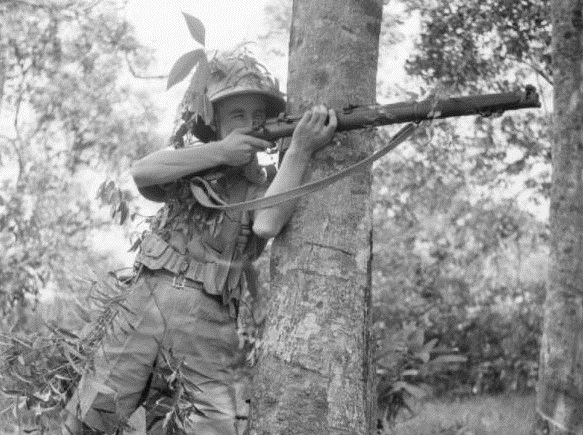
| Notes | The classic Lee-Enfield rifle served the British well through two world wars and the Korean War. The SMLE (Short Magazine Lee Enfield) No. 1 Mk. III made its name in World War One and combined with ability of the British soldiers skill in firing up to thirty aimed shots a minute made the Germans think that they were on the receiving end machine gun fire. It had a smooth bolt-action which allowed for rapid fire. It could also hold up to ten rounds, which was double what its rivals could hold. |